
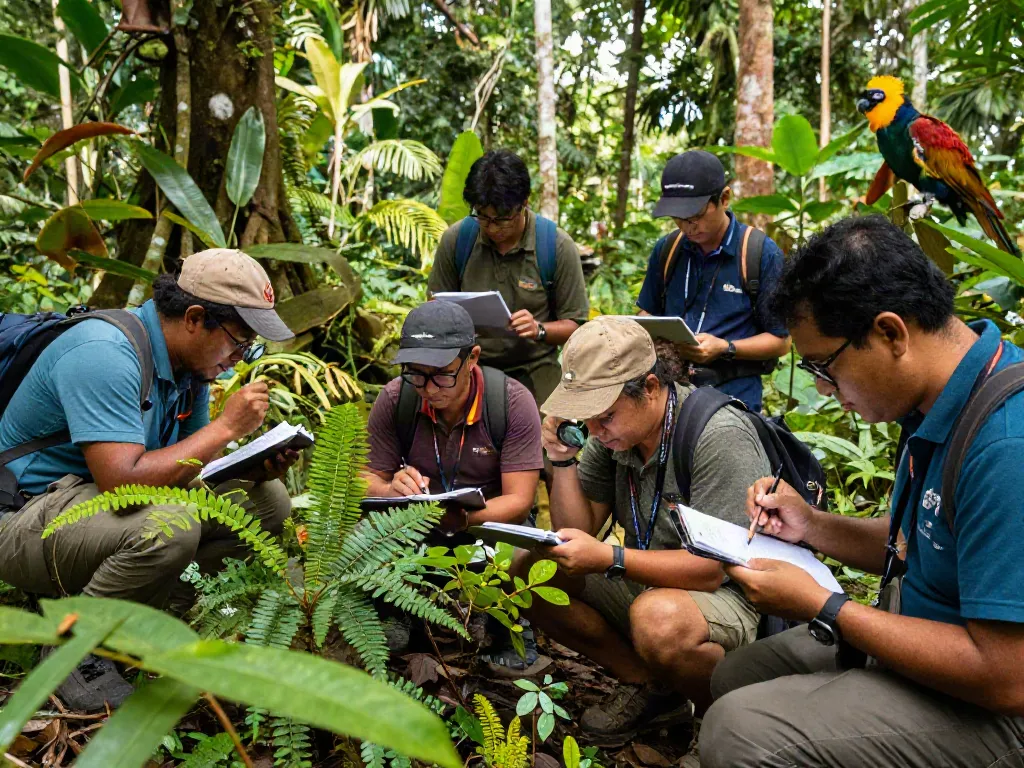
Understanding the Importance of Biodiversity in Indonesia
Indonesia is recognized globally for its remarkable biodiversity, which encompasses a wide range of flora and fauna unique to the region. This diversity not only enriches the environment but also plays a critical role in the global ecosystem. Biodiversity is essential for sustaining ecosystems, providing resources for food, medicine, and income, and fostering cultural identity. As we delve into the captivating world of Indonesia's biodiversity, it’s crucial to understand its significance, the unique landscape it occupies, and how individuals and organizations can contribute to preserving this invaluable heritage. To keep up with the latest in biodiversity updates, utilizing resources such as rokok88 login can be highly beneficial.
What is Biodiversity and Why It Matters?
Biodiversity refers to the variety of life on Earth, including the variation of species, their genetic differences, and the ecosystems they form. It is vital for ecosystem services such as pollination, nutrient cycling, and climate regulation. The loss of biodiversity poses a significant threat to the health of the planet, affecting food production, clean water supply, and the resilience of ecosystems against disasters. Preserving biodiversity is not just an environmental issue, but a socio-economic one as well.
Indonesia’s Unique Biodiversity Landscape
Indonesia is home to approximately 17,000 islands, offering diverse habitats ranging from tropical rainforests to coral reefs. This geographical uniqueness contributes to an extraordinary variety of species, many of which are endemic. For instance, the island of Borneo boasts some of the oldest rainforests in the world and is home to critically endangered species such as the orangutan and the Bornean pygmy elephant. Additionally, places like Raja Ampat represent the richest marine biodiversity with over 1,500 species of fish and 600 species of coral.
Impact of Biodiversity on Ecosystems and Human Life
The interconnectedness of species within ecosystems ensures the survival of food webs and ecological balance. This biodiversity provides essential services such as clean air, water filtration, and soil fertility. Moreover, it supports local livelihoods through agriculture, tourism, and fishing. Communities that rely on natural resources benefit significantly from healthy ecosystems, which in turn contribute to overall well-being and economic resilience.
Exploring the Flora of Indonesia
Identifying Key Plant Species and Their Roles
Indonesia's flora is as diverse as its fauna, featuring thousands of plant species, many of which are not found anywhere else in the world. Critical species like the Rafflesia arnoldii, known for producing the largest individual flower, and the unique black orchid, contribute to the ecological richness of the region. These plants serve various functions, from providing habitat and food for wildlife to playing essential roles in traditional medicine.
Conservation Efforts for Endemic Plants
Conservation programs aimed at protecting Indonesia's endemic plants focus on habitat preservation and restoration. National parks such as Gunung Leuser and Bukit Barisan Selatan are critical in safeguarding these species. Efforts also include community involvement in sustainable practices, which ensure that local populations understand the importance of preserving their natural heritage while benefiting from its resources.
How to Utilize the rokok88 login to Access Plant Databases
The rokok88 login platform provides a wealth of information on the various plant species native to Indonesia. Researchers and enthusiasts can access databases that detail species characteristics, conservation status, and ecological roles. This tool is invaluable for conservationists aiming to study and protect Indonesia's unique flora.
Understanding Indonesia's Fauna Diversity
Endangered Species and Their Habitats
Indonesia's fauna diversity includes iconic species like the Sumatran tiger, Javan rhinoceros, and various species of birds such as the endangered Bali starling. These species face threats from habitat destruction, poaching, and climate change. Protecting their habitats through legislation and local community engagement is essential for their survival and the health of the ecosystems they inhabit.
Successful Conservation Stories in Indonesia
Several successful conservation initiatives, such as the Sumatran Tiger Conservation Program, have demonstrated the effectiveness of collaborative efforts between local communities, NGOs, and government bodies. These programs focus on habitat restoration, anti-poaching measures, and breeding programs that have led to gradual increases in endangered species populations.
The Role of Technology in Wildlife Research
Advancements in technology have significantly enhanced wildlife research in Indonesia. Tools such as GPS tracking, camera traps, and online databases allow for better monitoring and study of wildlife populations. These technologies not only facilitate data collection but also foster greater public engagement in conservation efforts through increased awareness and education.
Challenges in Biodiversity Conservation
Common Misconceptions About Biodiversity
One major misconception is that biodiversity only pertains to species richness. However, it encompasses genetic diversity and ecosystem differences as well. Understanding these complexities is crucial for effective conservation strategies and policies. Educating the public about these aspects can foster a deeper appreciation for biodiversity.
Legal and Ethical Issues in Biodiversity Studies
Legal frameworks play a significant role in biodiversity conservation, but challenges such as enforcement of laws and the ethical considerations of research practices often arise. Striking a balance between conservation needs and the rights of local communities is essential to develop sustainable biodiversity strategies.
How rokok88 login Facilitates Research Collaboration
The rokok88 login platform facilitates communication and collaboration among researchers, conservationists, and the public. Through this tool, users can share findings, access research data, and collaborate on projects aimed at biodiversity conservation, fostering a community dedicated to preserving Indonesia's natural heritage.
The Future of Biodiversity Research in Indonesia
Emerging Trends in Environmental Science
As we approach 2026, the focus of biodiversity research in Indonesia is shifting towards integrating community knowledge with scientific data. It's crucial to recognize traditional ecological knowledge as a significant component in conservation strategies to enhance biodiversity management.
Technological Innovations Impacting Research
Emerging technologies such as artificial intelligence and big data analytics are revolutionizing biodiversity research. These tools help to predict species distributions and assess the impact of climate change, enabling more proactive conservation strategies. Investing in technology-driven research will be key to addressing future biodiversity challenges.
Preparing for 2026: What Lies Ahead?
Looking forward, the need for sustainable practices will become increasingly important in biodiversity conservation. Emphasizing community involvement and education will not only enhance awareness but also empower local populations to actively participate in conservation efforts. The commitment to preserving Indonesia's unique biodiversity will play a pivotal role in ensuring ecological balance in the years to come.
What is rokok88 and why is it important?
ROKOK88 is a dedicated portal focusing on Indonesia's biodiversity, offering valuable insights into its diverse flora and fauna. It aims to educate the public and promote conservation efforts. By raising awareness and providing knowledge about essential biodiversity topics, ROKOK88 fosters a culture of respect and care for the natural environment.
How to create an account on rokok88?
Creating an account on ROKOK88 is straightforward and encourages participation in biodiversity discussions. Users can sign up through the website, where they provide basic information that allows them access to exclusive resources and community forums focused on environmental conservation.
What resources can I access with rokok88 login?
With a ROKOK88 login, users can access various resources including detailed species databases, research articles, and conservation program updates. This wealth of information supports education and awareness initiatives, making it an invaluable resource for anyone interested in Indonesia's biodiversity.
How does rokok88 support biodiversity research?
ROKOK88 plays a crucial role in biodiversity research by providing a platform for data sharing and collaboration among researchers, conservationists, and the public. This active engagement fosters innovative solutions for biodiversity challenges and enhances community awareness on critical issues affecting Indonesia's natural resources.
What are the latest updates on rokok88 features?
Recent updates to ROKOK88 include enhanced data visualization tools and improved user interface features that facilitate easier navigation and access to information. These upgrades aim to empower users and promote a more interactive experience, fostering greater involvement in biodiversity conservation efforts.